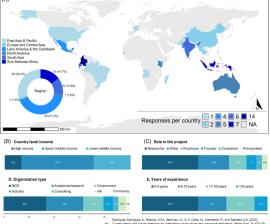
Despite the recent rise in mangrove restoration projects, the extent to which many projects include social dimensions remains contested, with limited research informing insights from on-ground projects.
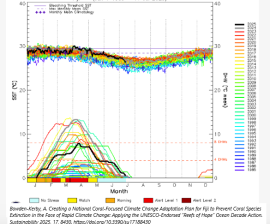
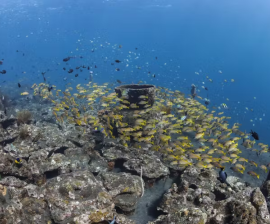
In the face of recent setbacks to coral reef conservation and restoration due to intensifying marine heat waves, new coral-focused strategies have been developed to accelerate natural processes of coral reef adaptation and recovery.
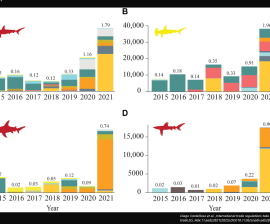
International trade is a major driver of shark overexploitation. In 2013, five threatened shark species were listed on Appendix II of the Convention on International Trade of Endangered Species to regulate global trade and promote recovery.
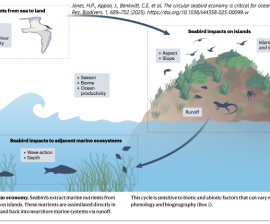
Nearly a third of seabird species are at risk of extinction, rendering them among the most threatened bird taxa globally. The decline in seabird populations has major ramifications for their associated ecosystems.
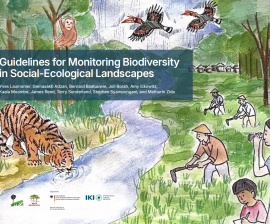
Despite playing an essential role in safeguarding food security, livelihoods, and human well-being, biodiversity is in precipitous decline globally with devastating social, environmental, and economic impacts (Pörtner et al. 2023).
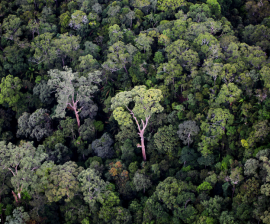
Heading into COP30, where tropical forests are set to be a central theme, it seemed worth looking today’s trajectories a little further forward and imagine where they might lead. Part1 looked at possible fates of tropical forests.
Over the past twenty years, coral reef restoration has seen unprecedented growth worldwide. From Indonesia to the Caribbean, thousands of projects have been launched with the goal of “saving” coral reefs - often by planting coral fragments or building artificial reef structures.
Deforestation and degradation rates remained stubbornly high in 2024, pushing the world even further off track from the shared goal of halting and reversing forest loss by 2030.
The project contributes to the Secretariat of the Pacific Regional Environment Programme (SPREP)’s component of theManagement and Conservation of Blue Carbon Ecosystems (or MACBLUE) project, aiming to “contribute to human and