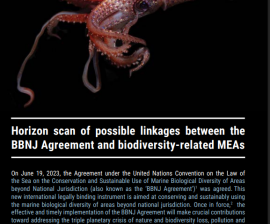
the Sea on the Conservation and Sustainable Use of Marine Biological Diversity of Areas beyond National Jurisdiction (also known as the ‘BBNJ Agreement’)1 was agreed.
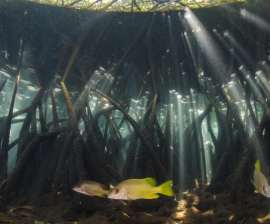
Global efforts to restore mangrove coverage face a growing but underexplored threat from a warming ocean, jeopardizing the future benefits mangroves provide.
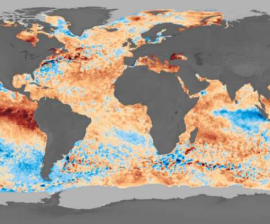
Measurements analyzed by an international research team led by ETH Zurich show that the global ocean absorbed significantly less CO₂ than anticipated during the unprecedented marine heat wave in 2023. The world's oceans act as an important sink for carbon dioxide (CO₂).
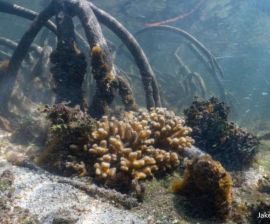
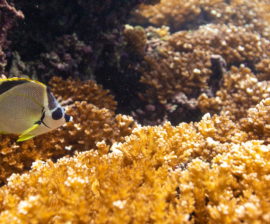
Coral reefs are in crisis. Rising ocean temperatures driven by climate change are pushing these ecosystems to the brink, with mass bleaching events becoming more frequent and severe. But what if nature already holds part of the solution?
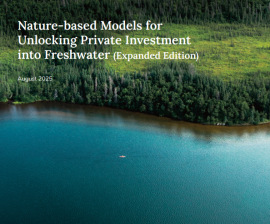
The R4N Guidebook Series provides an in-depth analysis of models across the globe that unlock private sector capital into nature restoration or protection, including nature-based solutions (NbS).
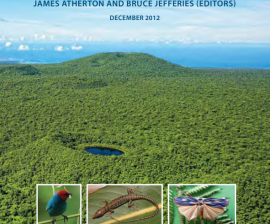
This BIORAP (Biological Rapid Assessment Program) survey was undertaken as part of the process to facilitate improved management of the forests and biodiversity of Upland Savaii.
As ocean temperatures set new heat records, coral reef scientists are on a mission to identify which species and reefs can tolerate heat stress the best. But how and why do some corals cope with heat extremes better than others?
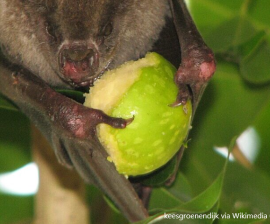
A lot of attention has been paid to the decrease in bee populations and other pollinators, but a recent review article makes the case that we should be equally alarmed by the declining numbers of seed-dispersing animals, which are crucial for growing healthy forests.
Length-weight parameters assist in the estimation of a fish’s biomass based upon assessment of length, providing value to many scientific and management applications.
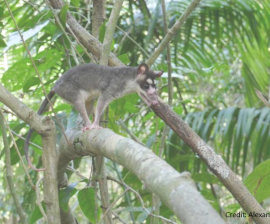
When night falls in Panama's forests, the time of the opossums begins. The marsupials, which have spent the day sleeping in trees, climb down the trunks and search for fruit, frogs or eggs on the ground. The omnivores often carry a hazardous parasite—the Chagas disease pathogen.