



by Sprep-Admin

May is a momentous moment for climate change in the Pacific with key milestone events happening in our region.Click on the link below to read the full article. 

by Sprep-Admin

The IUCN Oceania Regional Office (ORO) in partnership with the European Union and stakeholders in the region will implement Phase 2 of the Biodiversity and Protected Areas Management (BIOPAMA) programme in Pacific ACP countries from 2018 and seeks a suitably qualified person to fill the role of t

by Sprep-Admin

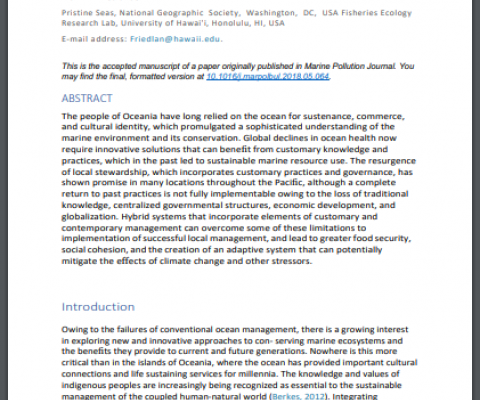
For the first time, the Oceania region has secured a top award recognition from The Ramsar Convention Wetland Conservation...the Ramsar Convention Award for Young Wetlands Champions 2018 has been snatched by none other than the Youth Climate Action Network of Samoa (Y.C.A.N.)...Click on the link

by Sprep-Admin

Prime minister Rick Houenipwela says Solomon Islands is ready to introduce a ban against plastics. Click on the link below to read the full article.

by Sprep-Admin

World Tuna Day, May 2, is an opportunity to acknowledge one of the most widely consumed fish in the world, and reflect on how to protect it for future generations.

by Sprep-Admin

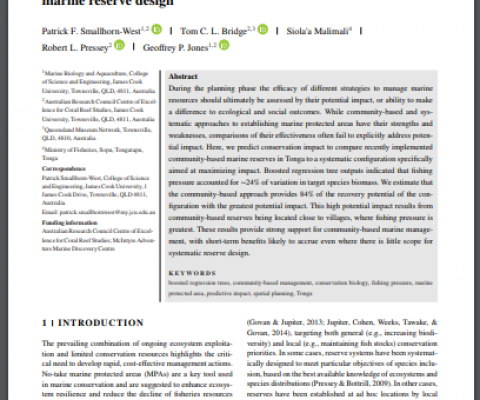
The theory behind networks of marine reserves is that they allow protected pathways for species to grow and maintain populations through their lifecycle - from where individuals begin their lives (typically as planktonic larvae) to where they disperse and live later as adults.Click on the link be

by Sprep-Admin

Not all MPAs are created equal, in terms of biodiversity conservation. Many MPAs allow extractive uses like fishing or oil prospecting, while other "no-take" MPAs prohibit such uses.Click on the link below to read more.

by Sprep-Admin

Marine protected areas (MPAs) are often used to protect patches of habitat that support species targeted for protection. Ideally, these protected habits should be well-connectedso that protected species can flow from one MPA to its neighbors. Click on the link below to read more.

by Sprep-Admin

Jon Day shares key lessons learned from stakeholder engagement efforts during the Representative Areas Program in the Great Barrier Reef, which was a key part of the comprehensive rezoning of the entire Marine Park between 1999 and 2003.Click on the link below to read more.

by Sprep-Admin

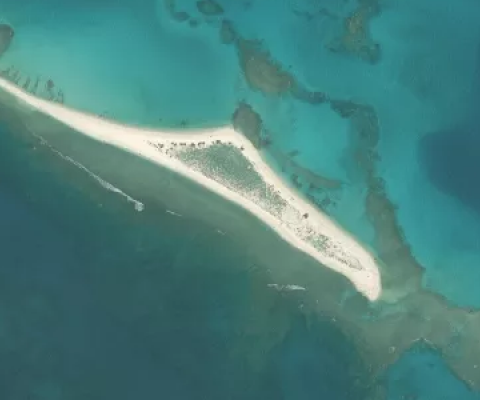
Low lying tropical islands could be uninhabitable within 30 years due to rising sea levels and wave-driven flooding, new research suggests.Click on the link below to read the full article.

More News & Sources of Information

The following are excellent sources for the latest news, literature, webinars, videos and audio on marine protected areas, marine pollution, marine management, ocean and marine planning, ecosystem-based management, grants, jobs, and much more.  Click each icon to learn more and to subscribe.

Image

octo group


Image
marine ecosystems and management