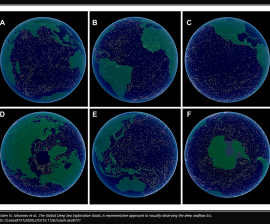
The Global Deep Sea Exploration Goals strategy is a spatially balanced, probability-based, actionable global sampling design identifying 10,000 target locations for deep-sea visual observation (≥200 m).
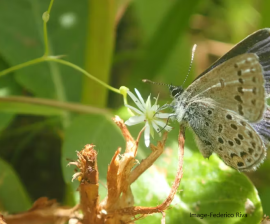
About 70 per cent of the species on Earth are insects. They are fundamental components of most ecosystems: they comprise half of the biomass on the planet, pollinate flowers, decompose dead organic matter and play multiple roles in food webs.
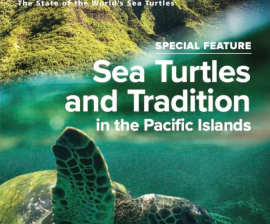
The 21st issue of SWOT Report features maps and a special article on sea turtles and traditions in the Pacific Islands written by experts in the region. Other articles include updated statuses of green turtle populations, Costa Rica’s newest arribada beach, and more.
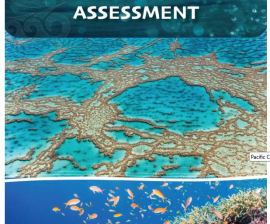
The assessment aligns with the Pacific Coral Reef Action Plan 2021–2030, supporting key action areas such as capacity building, habitat conservation, and research utilisation.
On paper, the sea is increasingly protected. Governments have designated vast marine protected areas (MPAs) and pledged to conserve 30% of the ocean by 2030. Maps shaded in reassuring blues now circulate widely. Yet the reality offshore often looks much the same as before.
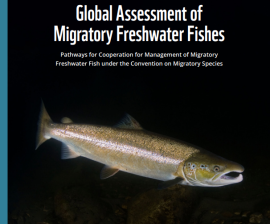
This report provides the most comprehensive global assessment to date of migratory freshwater fishes, documenting the scale, urgency, and opportunity for coordinated international action under the Convention on the Conservation of Migratory Species of Wild Animals (CMS).
Since its initial articulation in the early 1970s, the sphere of legislative and judicial practices regarding the right to a healthy environment (R2HE) has evolved substantially.