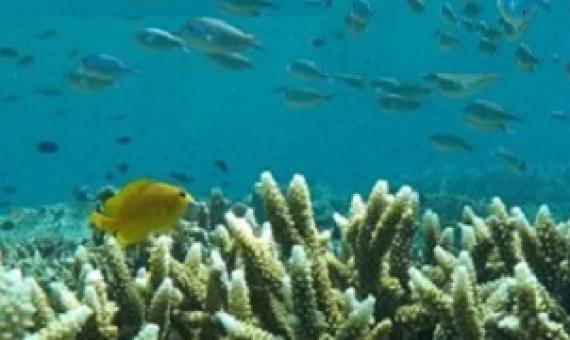
Experts documented the substantial recovery of coral reefs around the southern Line Islands in the central Pacific after the area was hit by a large-scale coral bleaching event in 2015 and 2016.
Experts documented the substantial recovery of coral reefs around the southern Line Islands in the central Pacific after the area was hit by a large-scale coral bleaching event in 2015 and 2016.
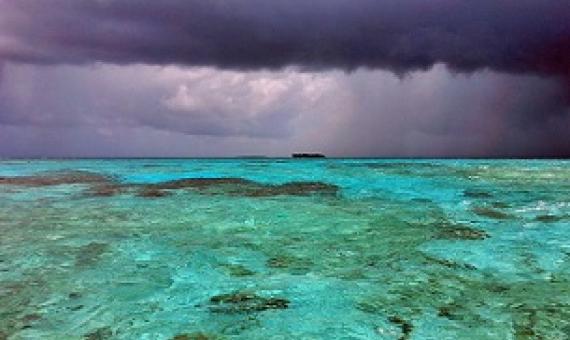
Research published in Global and Planetary Change examines the trends and projected frequency, intensity and duration of marine heatwaves (MHWs).
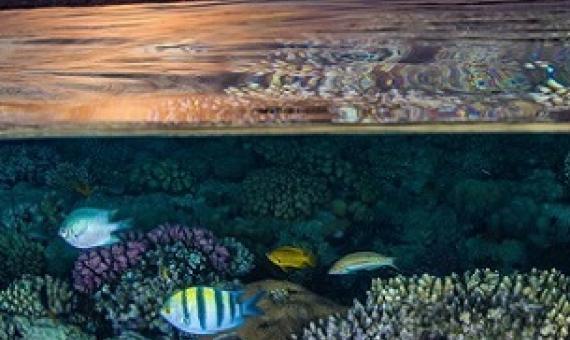
The world’s best-known coral reefs could be extinct by the end of the century unless we do more to make them resilient to our warming oceans. That’s the stark message from UNESCO, which is behind an emergency bid to protect these natural marine wonders, 29 of which are on the agency’s p
Members of the public are to expect significant coral deaths if sea surface temperatures (SSTs) exceed the temperatures normally experienced in the hottest month, says Ministry of Fisheries director Neomai Ravitu.
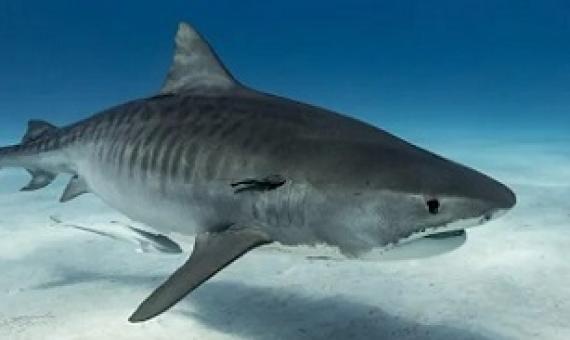
Warming oceans due to the climate crisis are having a significant impact on the migratory patterns of tiger sharks, allowing the apex predator to expand its range, but also exposing them to new risks, a new study has warned.
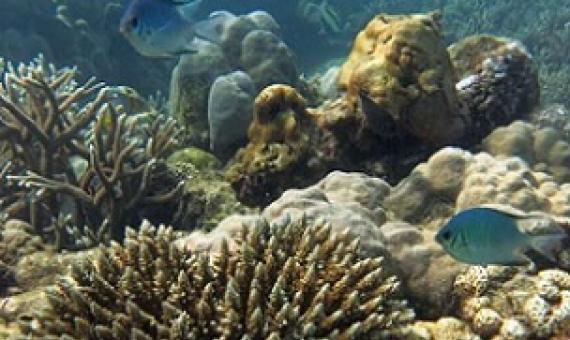
Researchers studying coral reefs damaged by rising sea temperatures have discovered an unexpected 'bright spot' of hope for communities who depend upon them for food security.
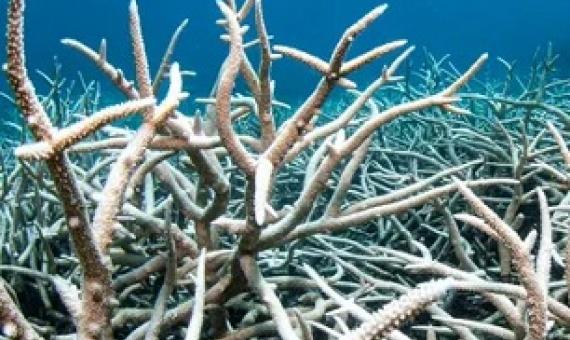
Hopes that enough of the Great Barrier Reef could escape global heating long enough for it to recover have been challenged by research finding less than 2% of its coral reefs have escaped bleaching since 1998.
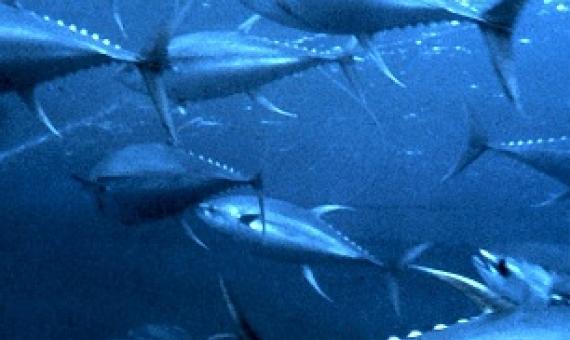
Researchers from the UBC Institute for the Oceans and Fisheries (IOF) used a complex model incorporating extreme annual ocean temperatures in Exclusive Economic Zones, where the majority of global fish catches occur, into climate-related projections for fish, fisheries and their dependent human c
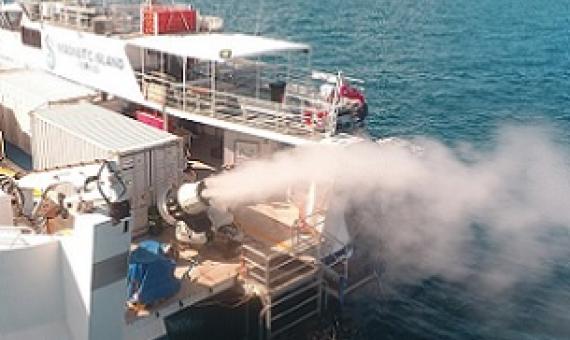
In place of its normal load of cars and vans, the repurposed ferry boat sported a mobile science laboratory and a large fan on its deck as it left Townsville, Australia, in March.
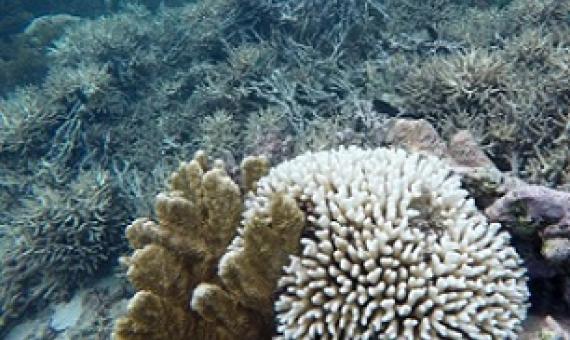
If trend of declining coral growth continues at the current rate, the world’s coral reefs may cease calcifying around 2054.