"O Le Tatou Motu Alaala"

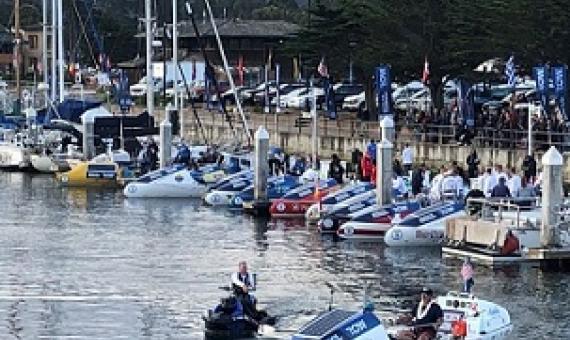
A Samoan language narration film, depicting the origins of the beginning of ancestral creation of pacific islands in the vast ocean, and portraying the journey of a significant pacific island which inhabited one of the Highlands in the pacific and called 'Tutuila ma Manua' that is namely American Samoa a Territory of the United States of America in nowadays. Their journey of resilience for their natural environment and how they sustain their livelihood and cultural heritage of their people.
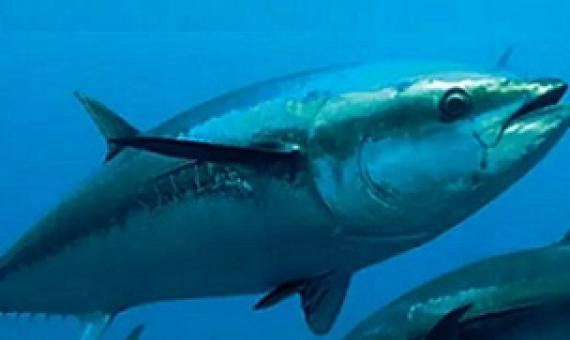
Climate change to drive increasing overlap between Pacific tuna fisheries and emerging deep-sea mining industry

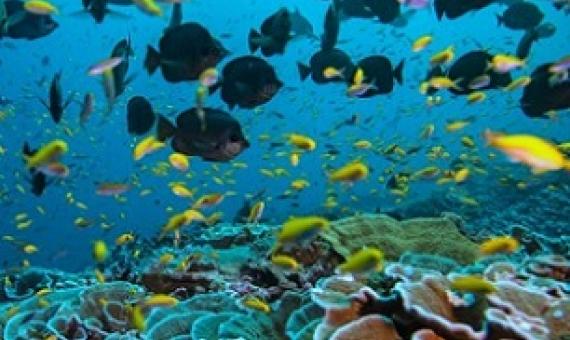
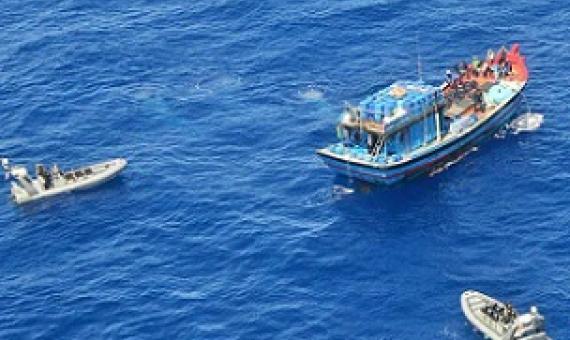
In ocean areas beyond national jurisdiction, various legal regimes and governance structures result in diffused responsibility and create challenges for management. Here we show those challenges are set to expand with climate change driving increasing overlap between eastern Pacific tuna fisheries and the emerging industry of deep-sea mining. Climate models suggest that tuna distributions will shift in the coming decades.

Extent and reproduction of coastal species on plastic debris in the North Pacific Subtropical Gyre

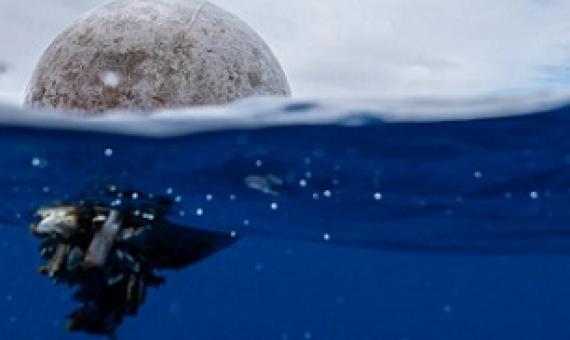
We show that the high seas are colonized by a diverse array of coastal species, which survive and reproduce in the open ocean, contributing strongly to its foating community composition. Analysis of rafting plastic debris in the eastern North Pacifc Subtropical Gyre revealed 37 coastal invertebrate taxa, largely of Western Pacifc origin, exceeding pelagic taxa richness by threefold. Coastal taxa, including diverse taxonomic groups and life history traits, occurred on 70.5% of debris items.

Scientists have found thriving communities of coastal creatures, including tiny crabs and anemones, living thousands of miles from their original home on plastic debris in the Great Pacific Garbage Patch – a 620,000 square mile swirl of trash in the ocean between California an