  • SPREP Home
  • Protected Areas
SPREP Home
Log in
Search
Home | PIPAP - Supporting the sustainable management of protected areas in the Pacific Region.
  • Data
    • Protected Areas
    • Management Effectiveness Dashboard
    • Spatial Data
  • Assistance
    • How SPREP Helps
    • WDPA Protected Area Registration
    • Protected Area Working Group
  • Resource Hub
    • Publications
    • Decision Making Support Tools
    • Case Studies
  • Newsletter
    • Browse Newsletter Archive
    • Subscribe Now
  • Account
    • Login

Main menu

  • Data
  • Assistance
  • Resource Hub
  • Newsletter
  • Account

Breadcrumb

  1. Home
  2. Resource Hub
  3. Publications

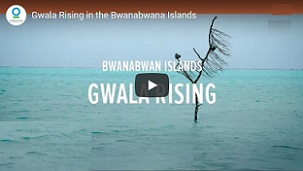
Video - Gwala Rising in the Bwanabwana Islands

 'Gwala Rising in the Bwanabwana Islands' depicts the revitalization of traditional conservation practices in the islands of Papua New Guinea. The community of Anagusa Island is combating the effects of climate change and protecting the coral reefs they rely on using gwala: the traditional practice of setting aside a reef or forest area to allow the ecosystem to recover. Gwala is helping the community of Anagusa Island prosper - empowering men and women with improved access to food and livelihoods.

Publication
Related page category(s)
Community Based Management
Coral Reef
Governance
Local Knowledge And Cultural
A Changing Climate
Marine Resources
Pacific Protected Areas
Related Pages
Ocean Travellers: Safeguarding Critical Habitats For Migratory Sharks And Rays
Guidebook for assessing and improving social equity in marine conservation
Marine protected areas as living labs? Lessons learned & future perspectives
Relative abundance and diversity of sharks and predatory fishes across Marine Protected Areas of the Tropical Eastern Pacific
The Conservation World Has a Longevity Problem We Rarely Talk About
Protected areas expanding fast but failing to halt nature loss, studies warn
Protected area management has significant spillover effects on vegetation
Five key opportunities to enhance the effectiveness of area-based marine conservation
Twenty-five years of misinterpreting the biodiversity hotspot approach
OTHER EFFECTIVE AREA-BASED CONSERVATION MEASURES

Latest News

SPREP
Director, Strategic Planning, Partnerships, and Resource Mobilisation (…
January 16, 2026 by Isaac Rounds
Read More
Grants
Save Our Seas Foundation Grants
January 16, 2026 by Isaac Rounds
Read More
Ocean
Ocean Leaders Fellowship 2026 Applications Now Open
January 16, 2026 by Isaac Rounds
Read More
Ocean
When the room says No but the Ocean says Now why Vanuatu chose a different…
January 15, 2026 by Isaac Rounds
Read More

Latest Resources

Ocean Travellers: Safeguarding Critical Habitats For Migratory Sharks And…
January 16, 2026 by Isaac Rounds
Read More
Guidebook for assessing and improving social equity in marine conservation
January 16, 2026 by Isaac Rounds
Read More
Ants need urgent protections from global trade, conservationists say
January 14, 2026 by Isaac Rounds
Read More
Silky shark tagging study reveals gaps in marine protected areas
January 13, 2026 by Isaac Rounds
Read More
Biodiversity and Protected Areas Management Programme Logo Organisation of African, Caribbean and Pacific States Logo Sprep BioScapes Logo Flag of European Union International Union for Conservation of Nature Logo European Commission Logo

SPREP Footer Logo

A resilient Pacific environment sustaining our livelihoods and natural heritage in harmony with our cultures.

+685 21929
[email protected]

  • SPREP on Facebook
  • SPREP on YouTube
  • SPREP on Twitter
Protected Areas by Country
  • American Samoa
  • Cook Islands
  • Fiji
  • French Polynesia
  • Guam
  • Kiribati
  • Marshall Islands
  • Micronesia (Federated States of)
  • Nauru
  • New Caledonia
  • Niue
  • Northern Mariana Islands
  • Palau
  • Papua New Guinea
  • Samoa
  • Solomon Islands
  • Timor-Leste
  • Tokelau
  • Tonga
  • Tuvalu
  • Vanuatu
  • Wallis and Futuna
SPREP © 2026. All rights reserved.