The United Nations Foundation and The MPA Guide Advisory Group are pleased to invite you to a webinar on September 9 at 11:30 a.m. ET/5:30 p.m.
The United Nations Foundation and The MPA Guide Advisory Group are pleased to invite you to a webinar on September 9 at 11:30 a.m. ET/5:30 p.m.
A Global Biodiversity Framework (GBF) is under discussion for the period 2021–2030, which will replace the ‘‘Aichi Targets’’ adopted by the Convention on Biological Diversity (CBD) in 2010. Given the limited success in meeting most of the Aichi Targets, this new framework must adopt a different approach. A key challenge the GBF must address is its implementation at national scales. Four ways this implementation challenge can be addressed include:
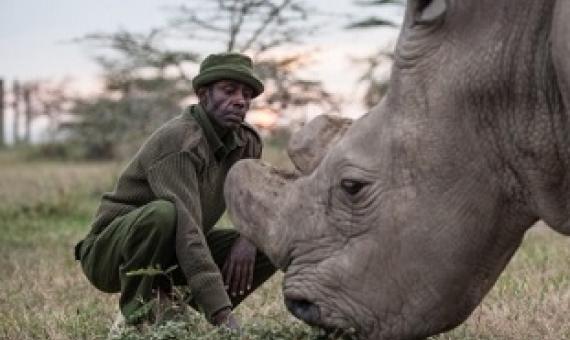
Next year, all eyes will be on Kunming, China, as talks resume on a new set of global goals to protect biodiversity. These are much needed, because most of the existing 20 targets, which were set in 2010 in Aichi, Japan, have failed to make an impact on the rate of biodiversity loss.
As part of its mandate to catalyse and facilitate technical and scientific cooperation, the Bio-Bridge Initiative (BBI) currently provides seed funding of up to $20,000 to incubate projects and partnerships that promote exemplary approaches, particularly through South-South and triangular coopera
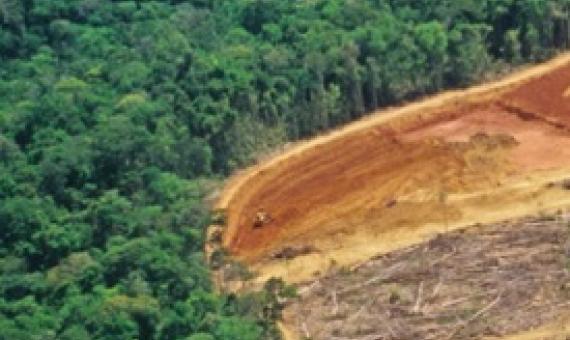
A global plan under negotiation envisions designating 30 percent of land and sea as protected by 2030 — and 50 percent by 2050 — in order to revive ecosystems and safeguard the diversity of species on Earth, according to a draft text of the agreement under the U.N.
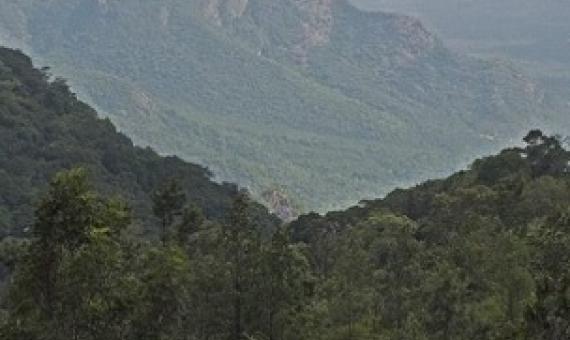
With the COVID-19 pandemic postponing the Conference of Parties to the Convention on Biological Diversity (CBD-CoP), there is time to better understand and integrate the concept of ecological civilisation into the global biodiversity framework from 2021-2030.

The issue of global biodiversity loss is so intense in the present era that it cannot be ignored as according to the reports of Intergovernmental Science-Policy Platform on Biodiversity and Ecosystem Services (IPBES), due to human actions an average of around 25 percent of species in assessed ani
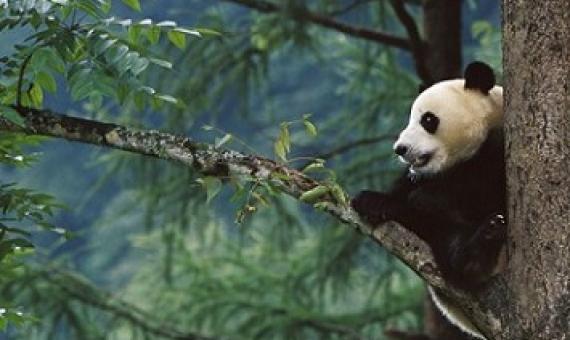
The world’s species and natural ecosystems are in crisis. When nearly 200 countries gather in ten days’ time to thrash out a major plan to stem the precipitous decline, China is expected to take a prominent role.
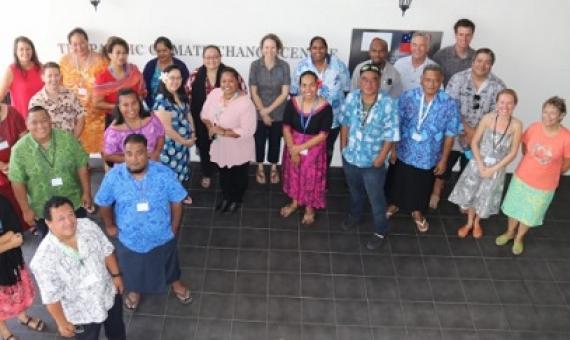
Living in harmony with nature by 2050 is the goal of a new set of global biodiversity targets to be achieved between 2020 – 2030, targets which the Pacific islands will also be committed to reaching.

Twenty years ago, on 29 January 2000, Parties to the Convention on Biological Diversity (CBD) adopted the Cartagena Protocol on Biosafety. The Cartagena Protocol entered into force on 11 September 2003.