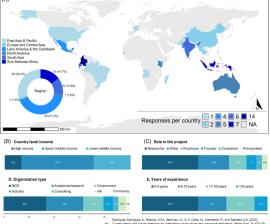
Despite the recent rise in mangrove restoration projects, the extent to which many projects include social dimensions remains contested, with limited research informing insights from on-ground projects.
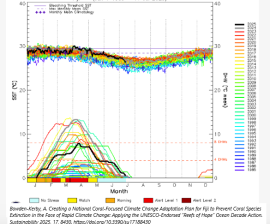
In the face of recent setbacks to coral reef conservation and restoration due to intensifying marine heat waves, new coral-focused strategies have been developed to accelerate natural processes of coral reef adaptation and recovery.
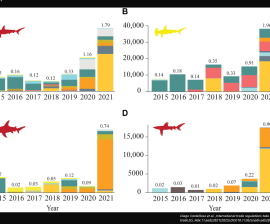
International trade is a major driver of shark overexploitation. In 2013, five threatened shark species were listed on Appendix II of the Convention on International Trade of Endangered Species to regulate global trade and promote recovery.
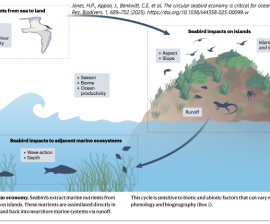
Nearly a third of seabird species are at risk of extinction, rendering them among the most threatened bird taxa globally. The decline in seabird populations has major ramifications for their associated ecosystems.
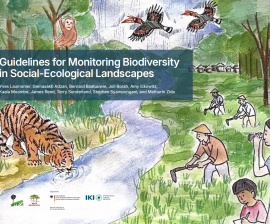
Despite playing an essential role in safeguarding food security, livelihoods, and human well-being, biodiversity is in precipitous decline globally with devastating social, environmental, and economic impacts (Pörtner et al. 2023).
In recognition of the need for National Parks and protected areas in the South Pacific, the New Zealand Government hosted the First South Pacific Conference on National Parks and Reserves in 1975, in association with the South Pacific
The Gender-responsive Nature-based Solutions (NbS) Toolkit provides a comprehensive framework and practical guidance for integrating gender-responsive strategies into the planning, implementation, and management of NbS. Developed by Arup and Social
Ecotourism is a hot topic in the tourism industry in Fiji. This may help preserve important natural and culture sites and same providing income for land owners.
This United Nations-backed report, hosted by the Pacific Regional Environment Programme (SPREP) in collaboration with Australia’s environmental authorities, highlights critical insights from a comprehensive assessment of Fiji’s marine environment. Key findings include: