
by Sprep-Admin

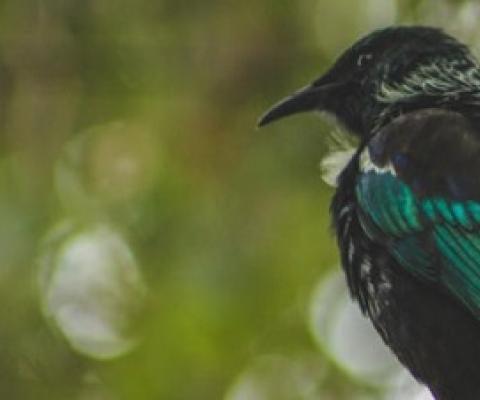
New Zealand birds are loving this lockdown, no longer having to compete with cars, buses, trains, planes or people. Kererū have been landing on back fences, pīwakawaka have been seen playing on Lambton Quay, and tūī have definitely been singing loudly at the crack of dawn.

by Sprep-Admin

Here we document the recovery of marine populations, habitats and ecosystems following past conservation interventions.

by Sprep-Admin

As COVID-19 spreads across the globe, a common question is, can infectious diseases be connected to environmental change? Yes, indicates a study published today from the University of California, Davis' One Health Institute.

by Sprep-Admin

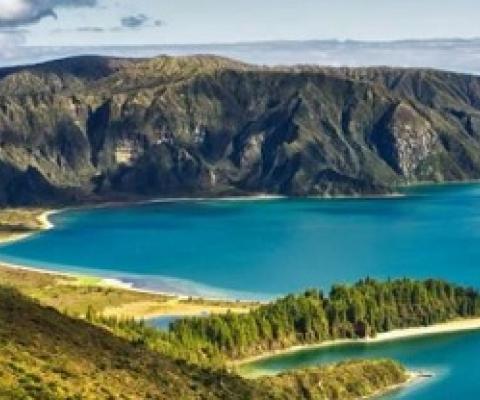
A warming global climate could cause sudden, potentially catastrophic losses of biodiversity in regions across the globe throughout the 21st century, finds a new UCL-led study.

by Sprep-Admin

Beyond the horizon, more than 200 nautical miles from shore, lies an area of the ocean known as the high seas. These waters, beyond the jurisdiction of any nation, make up roughly two-thirds of the ocean and cover nearly half of the planet’s surface.

by Sprep-Admin

With science around the world grinding to a halt as a result of efforts to contain the spread of the COVID-19 coronavirus, the Intergovernmental Panel on Climate Change (IPCC) is struggling to keep the world’s next big global-warming report on track.

by Sprep-Admin

Often considered desolate, remote, unalterable places, the high seas are, in fact, hotbeds of activity for both people and wildlife.

by Sprep-Admin

A shark protection group in Tahiti has written an open letter to the French Polynesian government after last month's discovery of cut up frozen sharks in the hold of a stranded Chinese fishing vessel.

by Sprep-Admin

The environmental changes wrought by the coronavirus were first visible from space. Then, as the disease and the lockdown spread, they could be sensed in the sky above our heads, the air in our lungs and even the ground beneath our feet.

by Sprep-Admin

Intriguing things sometimes happen in places deserted by people. Plants creep back, animals return and, slowly, birdsong fills the air.The coronavirus pandemic means public spaces the world over have been temporarily abandoned. Major roads are all but empty and public squares are eerily quiet.

More News & Sources of Information

The following are excellent sources for the latest news, literature, webinars, videos and audio on marine protected areas, marine pollution, marine management, ocean and marine planning, ecosystem-based management, grants, jobs, and much more.  Click each icon to learn more and to subscribe.

Image

octo group


Image
marine ecosystems and management