Half the world’s GDP depends on natural resources, but only about 1 percent of total climate financing goes to support investments such as protecting forests, rehabilitating ecosystems or reestablishing water resources in developing countries.
Over 20 heads of state, as well as business, philanthropy and Indigenous leaders, made major funding announcements and conservation commitments today at the Transformative Action for Nature and People, a UN General Assembly side event, which aimed to build momentum ahead of the 15th Conferen
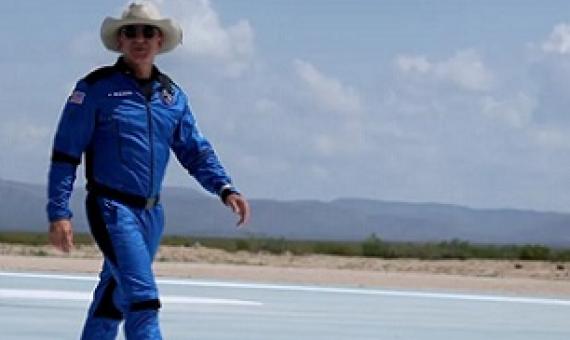
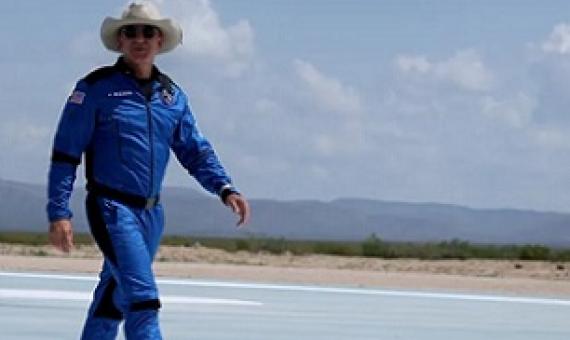
Jeff Bezos has pledged $1 billion towards conservation projects with an emphasis on the Congo Basin, tropical Andes, and the tropical Pacific Ocean. The 57-year-old former Amazon CEO announced his plan on Monday to give $1 billion in donations beginning now through the year 20
Although the biodiversity crisis is intimately linked to the climate one, the financing to address it is woefully inadequate.
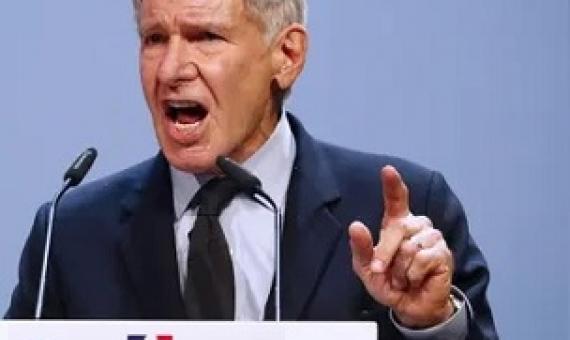
World’s largest conservation summit since Covid-19 brought 4,000 people to Marseille to showcase issues and solutions from coral reefs to land protection...The actor Harrison Ford was an unlikely voice to lead the call for direction and unity at the start of the summit.
In 2016, members of the IUCN, the global conservation authority, voted to change its membership structure and include Indigenous peoples’ organizations as a new constituency. The agenda was released following a summit for Indigenous participants at the IUCN World Conservation Congress, and c
Razan Khalifa Al Mubarak is in the running to become the first woman from the Arab world to head IUCN.
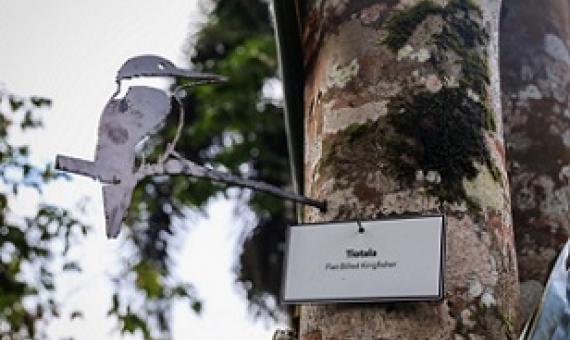
The Samoa Conservation Society (S.C.S) will soon receive NZ$99,000 ($170,000 tala) in funding to support the country's conservation efforts. The funding comes courtesy of the New Zealand Ministry of Foreign Affairs and Trade (M.F.A.T) and was announced by the Prime Minister of Samoa, Fiame N
Well, we are back from our epic voyage, our own odyssey to the Pa Tokerau, our northern group in the Cook Islands, after seven weeks away on our Marumaru Atua.
In 2017, an evolutionary biologist named R. Alexander Pyron ignited controversy with a Washington Post commentary titled “We don’t need to save endangered species.