07. Marine Planning Videos
Each month this year, 2016, Green Fire is releasing one short video clip on marine planning from the Great Bear Seas film and other new material.
Each month this year, 2016, Green Fire is releasing one short video clip on marine planning from the Great Bear Seas film and other new material.
Underwater Mapping of Critical Areas Related to Biodiversity Conservation
An 18 month sea-bed mapping project and hydrographic survey on a specified 13.5 square miles (or 35 square kilometres) area off the coast of Tortola in the Virgin Islands, was completed last month.
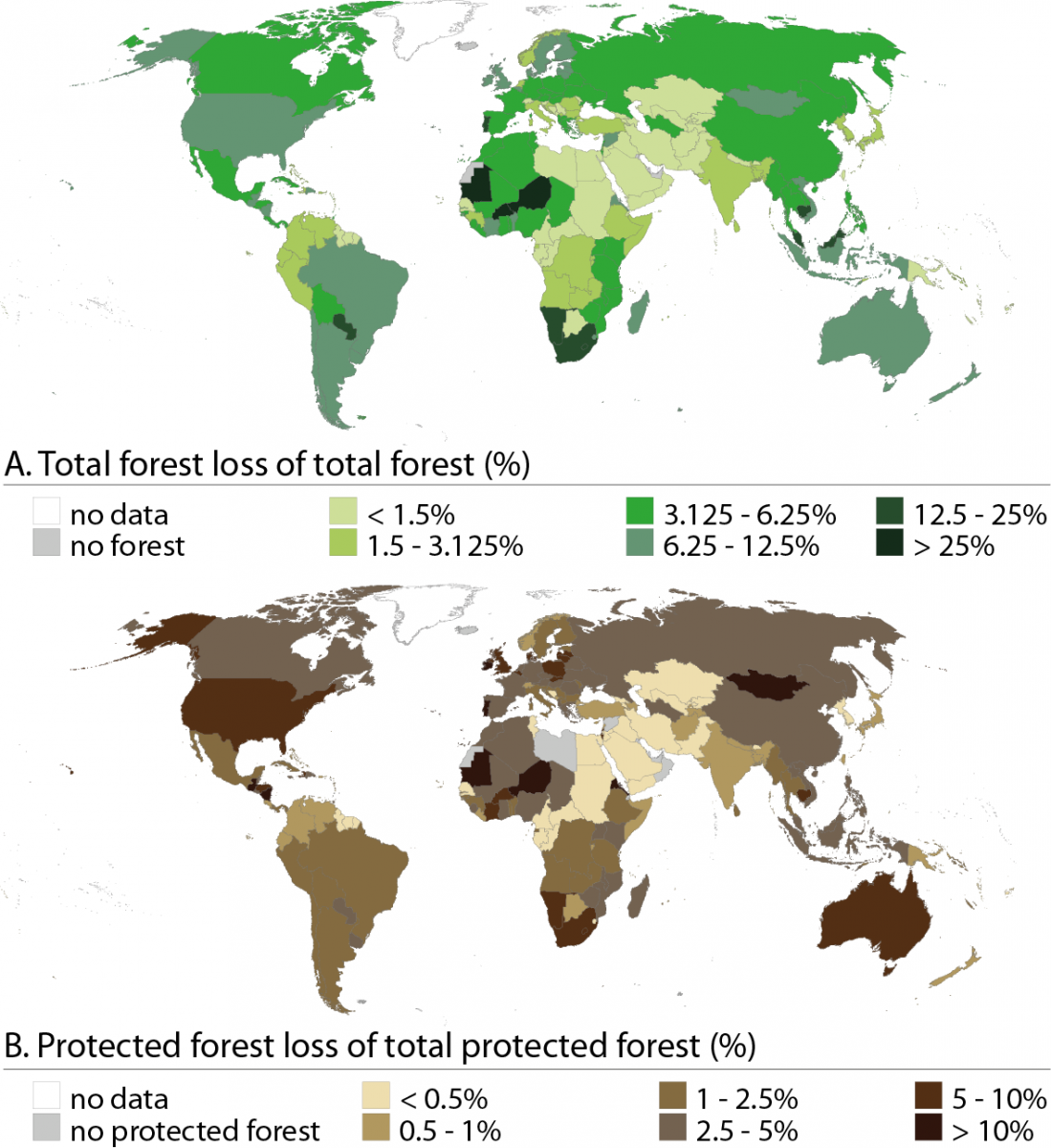 Heino M, Kummu M, Makkonen M, Mulligan M, Verburg PH, Jalava M, et al. (2015) Forest Loss in Protected Areas and Intact Forest Landscapes: A Global Analysis. PLoS ONE 10(10): e0138918. doi:10.1371/journal.pone.0138918
GEF-PACIFIC ALLIANCE FOR SUSTAINABILITY: INVASIVE ALIEN SPECIES (IAS) PROJECT
A project designed to reduce the environmental, economic, and human health impacts of invasive alien species in both terrestrial and marine habitats in the Pacific region.
In June, 2015 the United Nations General Assembly approved a resolution calling for the development of an international legally-binding instrument under the United Nations Convention on the Law of the Sea on the conservation and sustainable use of marine biological diversity of areas beyond national jurisdiction
The Pacific Islands Marine Portal provides various information on the status of marine protected areas and much more.
What are we actually protecting in the ocean?
The authors contend in this National Geographic Ocean Views blog that most marine species are not well represented within MPAs and several hundred species are not covered at all. The blog summarizes their article in Natures's Scientific Reports:
Lubchenco, Jane, and Kirsten Grorud-Colvert. 2015. Making waves: The science and politics of ocean protection. Science Vol. 350 No. 6259: 382-383.
Wagner, D. (ed). 2013. Big Ocean: A Shared Research Agenda for Large-Scale Marine Protected Area. Prepared by Big Ocean planning team in collaboration with the Papahānaumokuākea Marine National Monument & UNESCO World Heritage Site (PMNM), NOAA Office of National Marine Sanctuaries.