
Warming oceans due to the climate crisis are having a significant impact on the migratory patterns of tiger sharks, allowing the apex predator to expand its range, but also exposing them to new risks, a new study has warned.
Warming oceans due to the climate crisis are having a significant impact on the migratory patterns of tiger sharks, allowing the apex predator to expand its range, but also exposing them to new risks, a new study has warned.
Deciding when to protect threatened species habitat when complete knowledge about the habitat extent is uncertain is a common problem in conservation. More accurate habitat mapping improves conservation outcomes once that habitat is protected. However, delaying protection to improve accuracy can lead to species decline or, at worst, local extinction when threats to that habitat continue unabated before protection is implemented. Hence, there is a trade-off between gaining knowledge and taking conservation action.
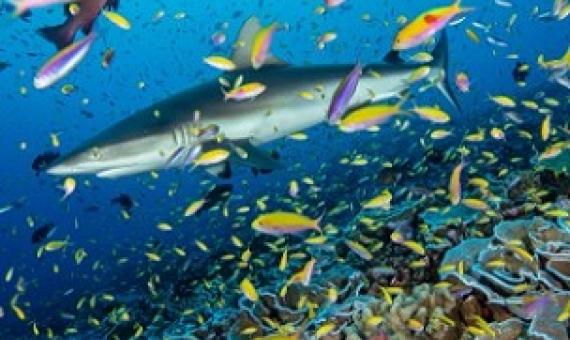
A new, widespread study of the global state of marine coral reef wilderness by WCS, NGS, and university collaborators found that remote ocean wilderness areas are sustaining fish populations much better than some of the world’s best marine reserves.
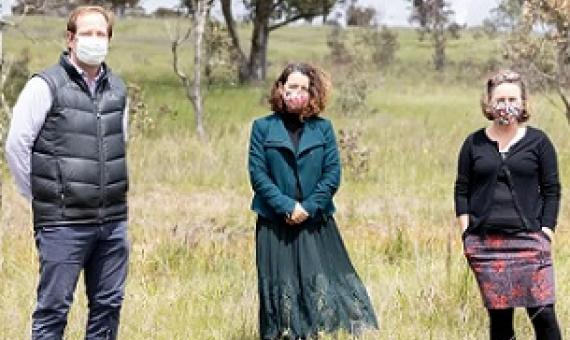
Canberra’s new ecological forum held its first meeting in the Kama Nature Reserve yesterday.

A proposed conservation area in northwestern Papua New Guinea has experienced a substantial surge in deforestation-related alerts, according to satellite data from the University of Maryland.
Many species of sharks are threatened with extinction, and there has been a longstanding debate in scientifc and environmental circles over the most efective and appropriate strategy to conserve and protect them. Should we allow for sustainable fsheries exploitation of species which can withstand fshing pressure, or ban all fsheries for sharks and trade in shark products? In the developing world, exploitation of fsheries resources can be essential to food security and poverty alleviation, and global management eforts are typically focused on sustainably maximizing economic benefts.
Maps and associated data from the Turtle Research and Monitoring Database System (TREDS). A summary of the database can be found below.
The Turtle Research and Monitoring Database System (TREDS) provides invaluable information for Pacific island countries and territories to manage their turtle resources. TREDS can be used to collate data from strandings, tagging, nesting, emergence and beach surveys as well as other biological data on turtles.
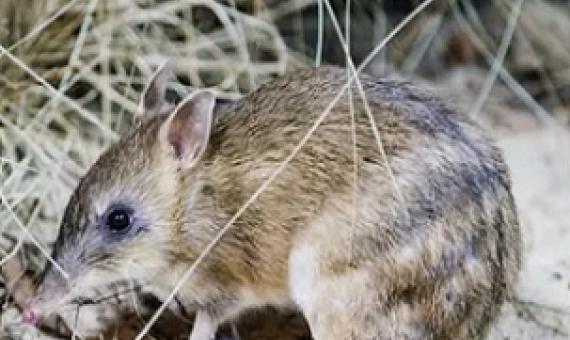
A Coalition government strategy to save Australia’s endangered wildlife has failed to meet targets to stem the decline of many birds, mammals and plants.

SNA stands for Significant Natural Area and they are pretty important whichever way you look at them. Forest and Bird says they are "New Zealand's most important remnants of native habitat - places where rare or threatened plants or animals are still found".
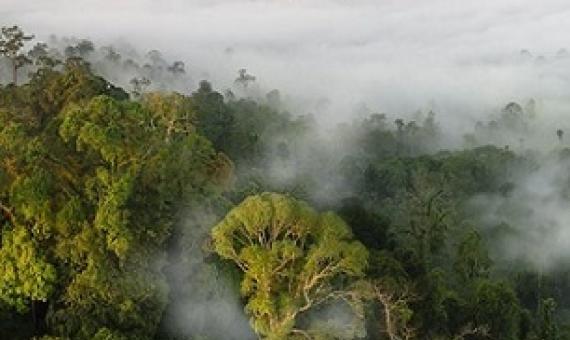
Seven of the world's most nature-rich national parks, from Angola to Bolivia and Indonesia, are set to receive $1 million annually for the next 15 years to help protect and manage their wildlife and plant species.