  • SPREP Home
  • Protected Areas
SPREP Home
Log in
Search
Home | PIPAP - Supporting the sustainable management of protected areas in the Pacific Region.
  • Data
    • Protected Areas
    • Management Effectiveness Dashboard
    • Spatial Data
  • Assistance
    • How SPREP Helps
    • WDPA Protected Area Registration
    • Protected Area Working Group
  • Resource Hub
    • Publications
    • Decision Making Support Tools
    • Case Studies
  • Newsletter
    • Browse Newsletter Archive
    • Subscribe Now
  • Account
    • Login

Main menu

  • Data
  • Assistance
  • Resource Hub
  • Newsletter
  • Account

Breadcrumb

  1. Home
  2. Resource Hub
  3. Publications

Litter accumulation in tropical mangroves threatens biodiversity and local communities

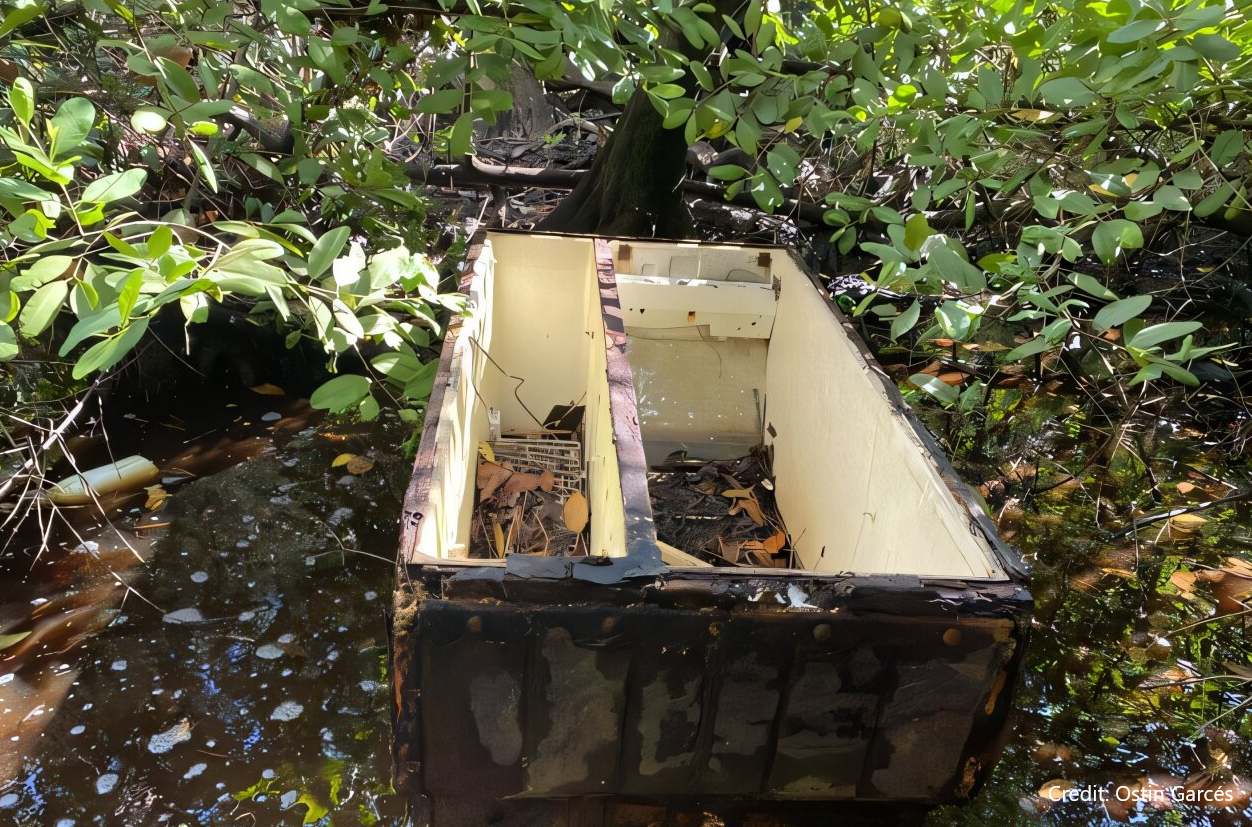
Mangroves, typical of tropical and subtropical latitudes, have become veritable natural traps for land- and sea-based waste. The roots of these trees, known as mangroves, have a great capacity to trap litter—from both land and sea—which gradually breaks down until it is buried in the muddy bottom.

Learn more

Ostin Garcés-Ordóñez et al, Macrolitter trapping in mangroves: Insights from forest structure and local community knowledge, Environmental Pollution (2026).
Links
https://phys.org/news/2026-01-litter-accumulation-tropical-mangroves-threatens…
Publication
Related page category(s)
Management
Thematic Area
Opportunities
Progress Towards Protected Area Targets
Partnerships
Related Pages
How to ensure social outcomes in restoration
Socio-environmental movements emerge as key global guardians of biodiversity amid rising violence
Calm seas can drive coral bleaching, research reveals
Ocean Travellers: Safeguarding Critical Habitats For Migratory Sharks And Rays
Guidebook for assessing and improving social equity in marine conservation
Ants need urgent protections from global trade, conservationists say
The impact of tropical cyclones Pam, Harold, Winston and Yasa on tree cover loss in Vanuatu and Fiji
Marine protected areas as living labs? Lessons learned & future perspectives
Relative abundance and diversity of sharks and predatory fishes across Marine Protected Areas of the Tropical Eastern Pacific

Latest News

LL
Climate and Nature Finance and Policy Advisor
January 23, 2026 by Isaac Rounds
Read More
Live & Learn
Ecosystem and Nature Based Solutions Technical Advisor
January 23, 2026 by Isaac Rounds
Read More
MOOC
MOOC Free Online Course - Communities and conservation
January 23, 2026 by Isaac Rounds
Read More
Cook Islands
Young Cook Islanders journey into culture and conservation in Hawaii…
January 23, 2026 by Isaac Rounds
Read More

Latest Resources

Litter accumulation in tropical mangroves threatens biodiversity and local…
January 23, 2026 by Isaac Rounds
Read More
How to ensure social outcomes in restoration
January 23, 2026 by Isaac Rounds
Read More
Invasive species in Vanuatu : A Community Learning Guide
January 22, 2026 by pipap.sprep.org
Read More
Invasive Species in Vanuatu : Media Guide
January 22, 2026 by pipap.sprep.org
Read More
Biodiversity and Protected Areas Management Programme Logo Organisation of African, Caribbean and Pacific States Logo Sprep BioScapes Logo Flag of European Union International Union for Conservation of Nature Logo European Commission Logo

SPREP Footer Logo

A resilient Pacific environment sustaining our livelihoods and natural heritage in harmony with our cultures.

+685 21929
[email protected]

  • SPREP on Facebook
  • SPREP on YouTube
  • SPREP on Twitter
Protected Areas by Country
  • American Samoa
  • Cook Islands
  • Fiji
  • French Polynesia
  • Guam
  • Kiribati
  • Marshall Islands
  • Micronesia (Federated States of)
  • Nauru
  • New Caledonia
  • Niue
  • Northern Mariana Islands
  • Palau
  • Papua New Guinea
  • Samoa
  • Solomon Islands
  • Timor-Leste
  • Tokelau
  • Tonga
  • Tuvalu
  • Vanuatu
  • Wallis and Futuna
SPREP © 2026. All rights reserved.