
Vanuatu is committed to protecting and conserving at least 30% of its land by 2030, now that it joins the Ambition Coalition for Nature and People (HAC).
Vanuatu is committed to protecting and conserving at least 30% of its land by 2030, now that it joins the Ambition Coalition for Nature and People (HAC).
After brief introductory comments on the Dasgupta Review, I turn to a subject little discussed in this report, the Convention on Biological Diversity. I explain the many weaknesses of this agreement, and its greatest missed opportunity: a protocol to conserve biodiversity as a global public good. This value of biodiversity represents only a fraction of the total value of conservation, but it’s the fraction that can only be supplied by a global treaty.
Aichi Target 11 committed governments to protect ≥17% of their terrestrial environments by 2020, yet it was rarely achieved, raising questions about the post-2020 Global Biodiversity Framework goal to protect 30% by 2030. Asia is a challenging continent for such targets, combining high biodiversity with dense human populations. Here, we evaluated achievements in Asia against Aichi Target 11. We found that Asia was the most underperforming continent globally, with just 13.2% of terrestrial protected area (PA) coverage, averaging 14.1 ± SE 1.8% per country in 2020.

I was filled with hope when I read the first draft of the Global Biodiversity Framework (GBF) in mid-2021. It seemed that the parties to the United Nations Convention on Biodiversity had learnt from bitter experience — the failure of the Aichi Biodiversity Targets, set for the previous decade.
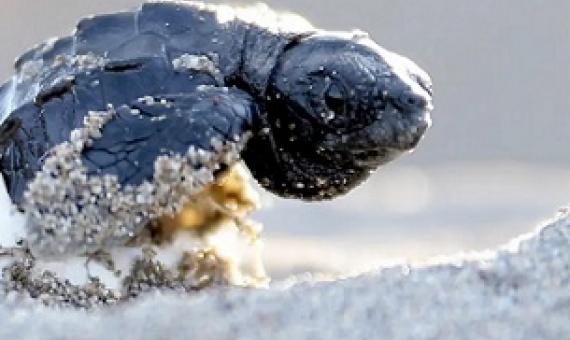
In 2010, politicians and scientists made a pledge to halt the devastating reductions in wildlife numbers that had been denuding the planet of its animals and sea creatures for the previous century.
This technical brief is a joint collaboration with the Nairobi work programme expert group on biodiversity and climate change adaptation and has been published as a supplement to the NAP technical guidelines. It targets country-level Convention on Biological Diversity and United Nations Framework Convention on Climate Change focal points and technical staff of ministries who are engaged in the planning and implementation of NAPs and NBSAPs.
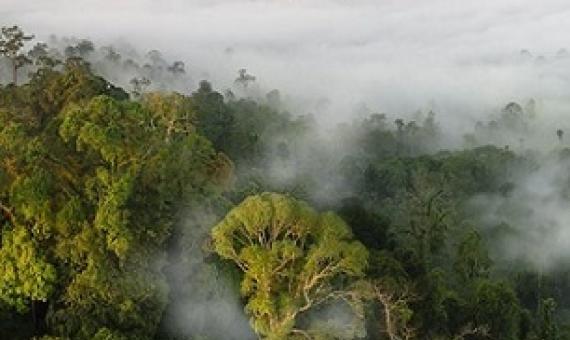
Thirty years ago, in 1992, two events occurred that changed my life—I published my first book on the “biodiversity crisis,” and nations convened in Rio at the Earth Summit to approve the UN Framework Conventions on climate and biodiversity.

For many years the climate crisis and the biodiversity crisis have been treated as separate issues, but the reality – as highlighted on Wednesday at COP27– is that there is no viable route to limiting global warming to 1.5°C without urgently protecting and restoring nature. “The two need to

Meeting participants exchanged perspectives on areas of relevance to regional coordination and cooperation, including other effective area-based conservation measures, marine biodiversity in areas beyond national jurisdiction, and addressing marine litter.
The 2020 global spatial targets for protected areas set by the Convention on Biological Diversity have almost been achieved, but management effectiveness remains deficient. Personnel shortages are widely cited as major contributing factors but have not previously been quantified.