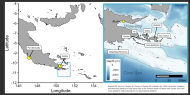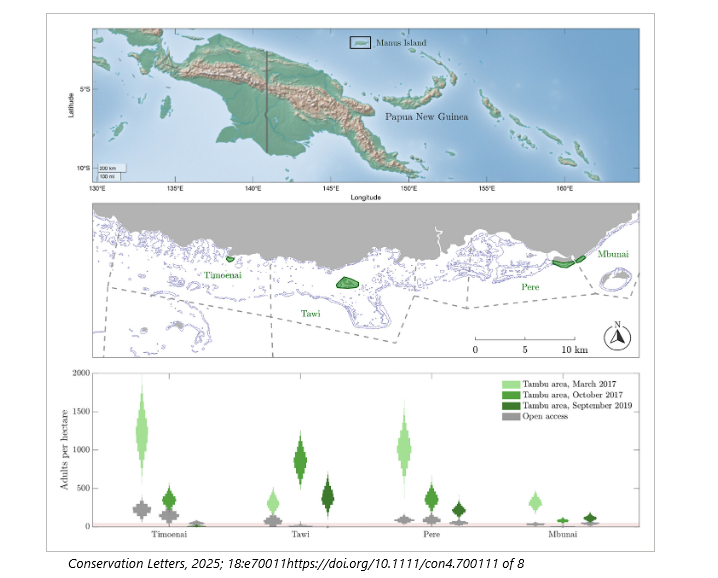
Delivering both social and ecological outcomes is regarded as essential for conservation actions to be effective, particularly in regions where Indigenous Peoples (IPs) and local communities (LCs) depend heavily on natural resources. In the Indo-Pacific, sustainable small-scale fisheries are seen as potential win–win solutions. Here, we evaluate the opportunities and challenges of supporting IPs and LCs to sustainably manage and add value to a high-value marine commodity using a case study from the Mwanus Endras Asi Resource Development Network (MEARDN) in Manus Province, Papua New Guinea. Between 2017 and 2018, MEARDN, with support from The Nature Conservancy, implemented management measures exceeding national requirements and exported beche-de-mer that had obtained sustainable certification directly to Hong Kong. While initially successful, this initiative struggled to remain viable amid rapidly shifting governance, market, cultural, and social dynamics. Our findings highlight the challenges of delivering conservation and sustainable livelihoods where natural resource systems are subject to intense economic pressures.